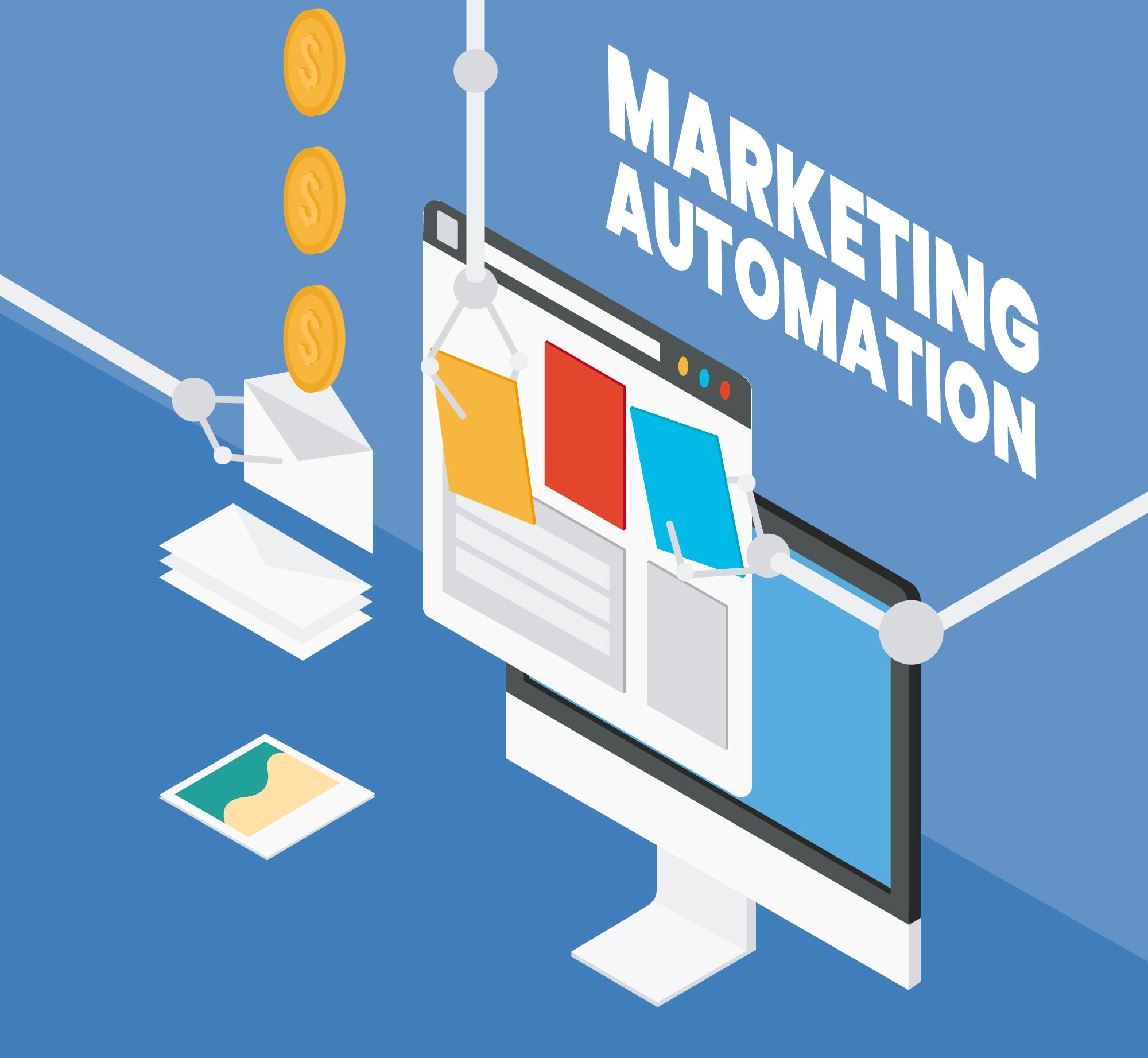
Running a business today can feel overwhelming. There are emails to send, customers to manage, content to post, and data to track. If you try to do everything manually, you will quickly run out of time and energy. That is where business and marketing automation tools come in.
Automation tools help you complete repetitive tasks without constant effort. They work in the background while you focus on strategy and growth. When used correctly, these tools can save you more than 10 hours every week. That is time you can invest in building your brand, improving your products, or even taking a break.
In this guide, you will learn about the best automation tools, how they work, and how to choose the right ones for your business.
What Are Business and Marketing Automation Tools
Business and marketing automation tools are software programs designed to handle repetitive tasks automatically. These tasks include sending emails, scheduling posts, tracking leads, managing customer data, and more.
Instead of doing the same task again and again, you set up a system once. After that, the tool does the work for you. This helps reduce errors, save time, and improve consistency.
For example, you can set up an email sequence that sends welcome messages to new subscribers. You do not need to send each email manually. The system does it for you.
Why Automation Is Important for Modern Businesses
Automation is no longer optional. It is a key part of running a successful business. Here are some simple reasons why automation matters:
Saves Time
Automation reduces manual work. Tasks that used to take hours can now be done in minutes.
Improves Accuracy
Human errors are common when doing repetitive tasks. Automation ensures tasks are done correctly every time.
Increases Productivity
When your team spends less time on routine work, they can focus on important tasks like strategy and creativity.
Boosts Customer Experience
Automation helps you respond faster and provide consistent communication to customers.
Supports Growth
As your business grows, automation helps you handle more work without hiring more staff.
Types of Business and Marketing Automation Tools
There are many types of automation tools available. Each one focuses on a specific area of your business.
Email Marketing Automation Tools
These tools help you send emails automatically based on user actions.
Social Media Automation Tools
They allow you to schedule posts and manage multiple accounts from one place.
Customer Relationship Management Tools
CRM tools store customer data and track interactions.
Sales Automation Tools
These tools help manage leads, follow-ups, and sales pipelines.
Workflow Automation Tools
They connect different apps and automate processes between them.
Top Email Marketing Automation Tools
Email marketing is one of the easiest ways to automate your business.
Mailchimp
Mailchimp is a popular tool for beginners. It allows you to create email campaigns, automate messages, and track performance.
It is easy to use and offers templates for quick setup. You can create welcome emails, abandoned cart reminders, and promotional campaigns.
ConvertKit
ConvertKit is designed for creators and small businesses. It focuses on simple automation and audience segmentation.
You can tag users based on their behavior and send targeted emails.
ActiveCampaign
ActiveCampaign is a powerful tool for advanced users. It combines email marketing with CRM features.
It allows you to build complex automation workflows and personalize messages.
Top Social Media Automation Tools
Managing social media accounts can take a lot of time. Automation tools make it easier.
Buffer
Buffer helps you schedule posts across multiple platforms. You can plan your content in advance and publish it automatically.
It also provides basic analytics to track performance.
Hootsuite
Hootsuite is a complete social media management tool. It allows you to monitor conversations, schedule posts, and analyze results.
It is ideal for businesses managing several accounts.
Later
Later is great for visual platforms. It helps you plan and schedule posts with a drag-and-drop calendar.
It is especially useful for businesses focusing on images and videos.
Top CRM and Customer Management Tools
Keeping track of customers is essential for business growth.
HubSpot CRM
HubSpot CRM is free and easy to use. It helps you manage contacts, track interactions, and automate follow-ups.
It also integrates with many marketing tools.
Zoho CRM
Zoho CRM offers advanced features at an affordable price. It includes sales automation, analytics, and workflow management.
Salesforce
Salesforce is a powerful CRM used by large businesses. It offers deep customization and advanced automation features.
Top Workflow Automation Tools
Workflow automation tools connect different apps and automate tasks between them.
Zapier
Zapier allows you to connect apps and create automated workflows called “Zaps.”
For example, you can automatically save email attachments to cloud storage or add new leads to your CRM.
Make (formerly Integromat)
Make offers more advanced automation with visual workflows. It is suitable for users who need complex integrations.
Automate.io
Automate.io helps you create simple workflows between apps. It is user-friendly and affordable.
Top Sales Automation Tools
Sales automation tools help you manage leads and close deals faster.
Pipedrive
Pipedrive focuses on visual sales pipelines. It helps you track deals and automate follow-ups.
Freshsales
Freshsales offers built-in email, phone, and automation tools. It helps you manage leads and track customer behavior.
Keap
Keap combines CRM, email marketing, and sales automation in one platform. It is ideal for small businesses.
How to Choose the Right Automation Tools
Choosing the right tools can be challenging. Here are some tips to help you decide.
Understand Your Needs
Start by identifying the tasks you want to automate. Focus on areas that take the most time.
Set a Budget
Automation tools come in different price ranges. Choose tools that fit your budget without sacrificing quality.
Check Integrations
Make sure the tools can connect with your existing systems.
Look for Ease of Use
Choose tools that are easy to set up and use. Complicated tools can slow you down.
Read Reviews
Check user feedback to understand the strengths and weaknesses of each tool.
How Automation Saves 10+ Hours Weekly
You might wonder how automation can save so much time. Here are some examples.
Automated Emails
Instead of writing emails daily, you create a sequence once. This can save several hours each week.
Scheduled Social Media Posts
You can plan a week’s content in one session instead of posting every day.
Lead Management
Automation tools organize leads and send follow-ups automatically.
Data Entry
Automation reduces manual data entry by syncing information between apps.
Customer Support
Chatbots and automated responses handle common questions quickly.
Best Practices for Using Automation Tools
Automation is powerful, but it must be used correctly.
Start Small
Begin with simple tasks. Do not try to automate everything at once.
Test Your Workflows
Always test automation to ensure it works correctly.
Keep It Personal
Automation should not feel robotic. Add personalization to messages.
Monitor Performance
Track results and improve your workflows over time.
Update Regularly
Review your automation systems and update them as your business grows.
Common Mistakes to Avoid
Many businesses make mistakes when using automation tools.
Over-Automation
Automating everything can reduce the human touch. Balance automation with personal interaction.
Poor Setup
Incorrect setup can lead to errors and missed opportunities.
Ignoring Data
Automation tools provide valuable data. Use it to improve your strategy.
Choosing Too Many Tools
Using too many tools can create confusion. Stick to a few reliable options.
Future of Business and Marketing Automation
Automation is constantly evolving. New tools and technologies are being developed every year.
Artificial intelligence is making automation smarter. Tools can now analyze data, predict behavior, and personalize experiences.
In the future, automation will become even more important. Businesses that adopt it early will have a strong advantage.
Simple Automation Setup for Beginners
If you are new to automation, start with this simple setup:
- Use an email tool to create a welcome sequence
- Schedule social media posts for the week
- Use a CRM to manage contacts
- Connect tools using a workflow automation platform
This basic system can already save you several hours each week.
Benefits of Combining Multiple Tools
Using multiple tools together can increase efficiency.
For example, you can connect your email marketing tool with your CRM. When someone signs up, their data is automatically saved and used for future campaigns.
This creates a smooth workflow and reduces manual work.
How Small Businesses Can Benefit
Small businesses often have limited resources. Automation helps them compete with larger companies.
It allows small teams to handle more work without hiring extra staff. It also improves customer experience and increases sales.
How to Measure Success
To know if your automation is working, track these metrics:
- Time saved each week
- Email open and click rates
- Social media engagement
- Lead conversion rates
- Customer satisfaction
These metrics help you understand the impact of automation.
Final Thoughts
Automation is one of the smartest investments you can make in your business. It helps you save time, reduce stress, and improve results.
The key is to choose the right tools and use them effectively. Start small, test your systems, and keep improving.
You can also read : How to Create a Business & Marketing Funnel That Converts Instantly
Conclusion
Business and marketing automation tools are essential for modern success. They allow you to save more than 10 hours each week by handling repetitive tasks efficiently. From email marketing to customer management and workflow automation, these tools simplify your daily operations and help you focus on growth.
By choosing the right tools, setting up smart workflows, and avoiding common mistakes, you can build a system that works for you around the clock. Whether you are a beginner or an experienced business owner, automation can take your productivity to the next level and give you a strong competitive advantage.
