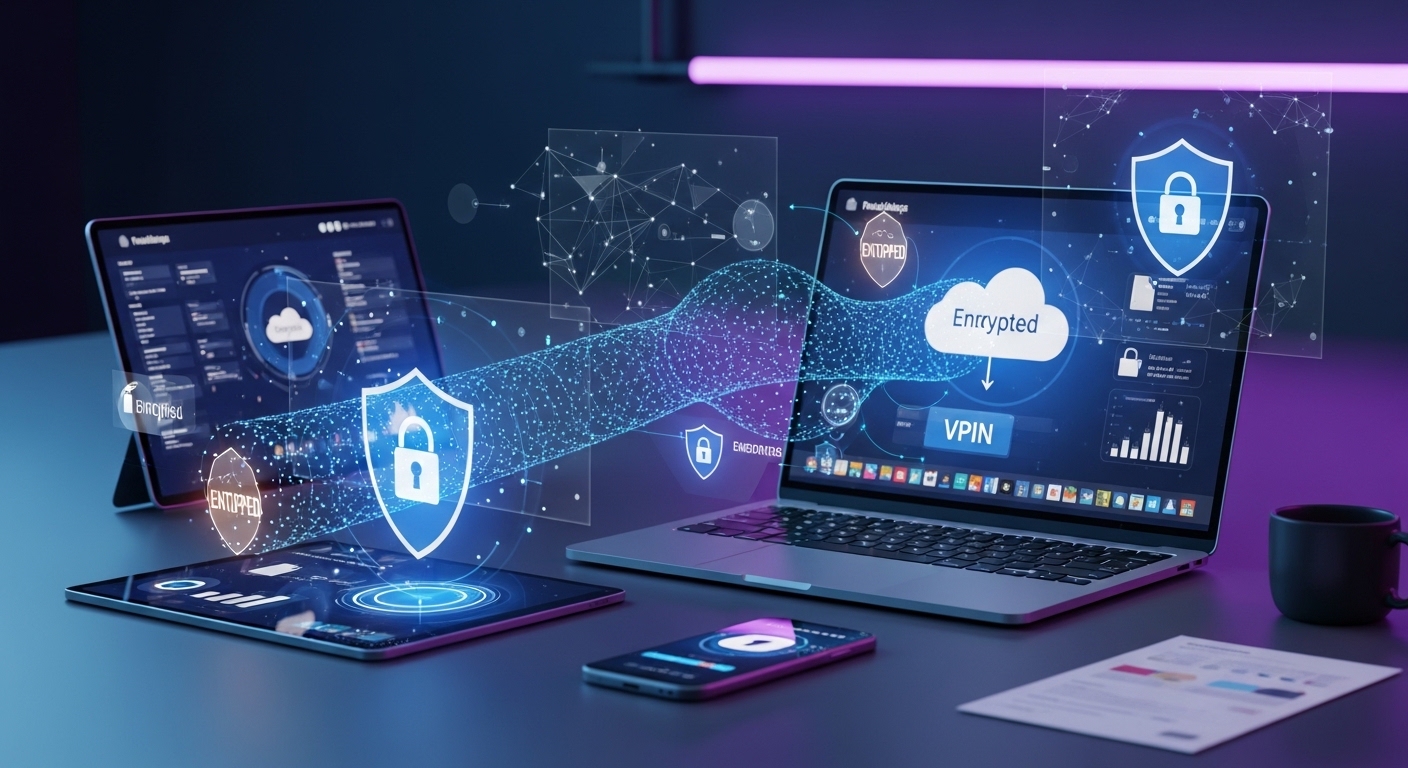
Cybersecurity VPN for Freelancers is becoming one of the most important digital safety solutions for remote workers, independent contractors, and gig economy professionals who rely heavily on the internet to manage clients, transfer sensitive files, and handle online payments. In today’s hyper-connected digital workspace, freelancers are no longer just writers, designers, or developers—they are also custodians of client data, financial information, and intellectual property. This makes them prime targets for cybercriminals who exploit weak connections, unsecured Wi-Fi networks, and poorly protected devices. A cybersecurity-focused VPN (Virtual Private Network) provides a powerful shield that encrypts internet traffic, hides IP addresses, and ensures secure communication between freelancers and their clients.
As freelancing continues to grow globally, so do the risks associated with remote work. Many freelancers operate from coffee shops, co-working spaces, airports, or even public networks in different countries. These environments are often unsecured and can expose sensitive data to hackers using packet sniffing, man-in-the-middle attacks, and malware injection techniques. Cybersecurity VPN for freelancers is not just a tool—it is a necessity for maintaining professional credibility, ensuring client trust, and protecting income streams from digital threats.
Cybersecurity VPN for Freelancers and the Modern Remote Work Revolution
The rise of freelancing platforms and remote job marketplaces has transformed how people work. Designers collaborate with international brands, developers build applications for startups across continents, and marketers manage campaigns for global audiences—all without ever meeting their clients in person. However, this flexibility comes with serious cybersecurity challenges.
Cybersecurity VPN for freelancers ensures that every digital interaction remains encrypted and secure, even when working from high-risk environments. It creates a private tunnel between the freelancer’s device and the internet, preventing unauthorized access to data transmissions. This is particularly important when logging into client dashboards, uploading confidential files, or accessing cloud-based tools.
Without a VPN, freelancers risk exposing sensitive login credentials, payment details, and client communications. Cybercriminals often target independent workers because they typically lack enterprise-level security systems. Unlike large corporations with dedicated IT departments, freelancers must independently secure their digital workspace. This is where cybersecurity VPN for freelancers becomes a critical layer of defense.
Cybersecurity VPN for Freelancers: Why Data Protection Matters More Than Ever
Growing Cyber Threats in Freelance Work
Cybersecurity VPN for freelancers is essential because cyber threats targeting remote workers are increasing rapidly. Hackers are no longer focusing solely on large corporations; instead, they exploit weaker security setups commonly found in freelance environments. Phishing attacks, ransomware, spyware, and session hijacking are just a few of the threats freelancers face daily.
When freelancers work without protection, even a simple action like checking email on public Wi-Fi can expose their entire system. Cybersecurity VPN for freelancers mitigates these risks by encrypting data before it leaves the device, ensuring that even if intercepted, it cannot be read or manipulated.
Protecting Client Trust and Professional Reputation
Freelancers depend heavily on reputation and client trust. A single data breach can damage credibility and result in lost contracts or negative reviews. Cybersecurity VPN for freelancers helps maintain professional integrity by ensuring that all client communications remain private and secure.
Clients are increasingly aware of cybersecurity risks, and many now prefer working with freelancers who demonstrate strong security practices. Using a VPN is a simple yet powerful way to show commitment to data protection and professional responsibility.
Cybersecurity VPN for Freelancers and Secure Remote Access
Cybersecurity VPN for freelancers plays a crucial role in enabling secure remote access to work environments. Many freelancers use cloud platforms such as Google Drive, Dropbox, GitHub, or client-specific servers. Without encryption, these connections are vulnerable to interception.
A VPN ensures that every login session is encrypted, preventing unauthorized users from capturing sensitive session data. It also protects against DNS leaks, which can reveal browsing activity and compromise privacy.
For freelancers who travel frequently, cybersecurity VPN for freelancers ensures consistent security regardless of location. Whether working from a hotel in Europe or a café in Asia, the VPN maintains a secure connection that shields all online activity.
Cybersecurity VPN for Freelancers and Public Wi-Fi Risks
Public Wi-Fi networks are one of the biggest threats to freelance cybersecurity. Airports, coffee shops, hotels, and co-working spaces often provide free internet access, but these networks are rarely secure. Hackers can easily set up fake hotspots or exploit weak encryption protocols to steal data.
Cybersecurity VPN for freelancers eliminates this risk by encrypting all traffic before it leaves the device. Even if a hacker intercepts the data, it appears as unreadable encrypted code. This ensures that sensitive information such as passwords, client files, and financial data remains protected.
Freelancers who frequently travel or work in public spaces benefit significantly from this layer of security. It transforms any network into a private, secure connection, allowing professionals to work confidently from anywhere in the world.
Cybersecurity VPN for Freelancers: Essential Features to Look For
Strong Encryption Standards
A reliable cybersecurity VPN for freelancers must offer military-grade encryption, typically AES-256. This ensures that all data is securely encoded and nearly impossible to decrypt.
No-Logs Policy
Privacy is critical. A trustworthy VPN should not store user activity logs. Cybersecurity VPN for freelancers with a strict no-logs policy ensures that even the provider cannot track browsing history or online behavior.
Multi-Device Support
Freelancers often use multiple devices—laptops, smartphones, and tablets. A good VPN should support simultaneous connections across all devices, ensuring consistent protection.
High-Speed Performance
Security should not come at the cost of speed. Cybersecurity VPN for freelancers must offer fast servers to ensure smooth file uploads, video calls, and cloud access without lag.
Kill Switch Feature
A kill switch automatically disconnects the internet if the VPN connection drops, preventing accidental data leaks. This is essential for maintaining continuous protection.
Cybersecurity VPN for Freelancers and Financial Security
Freelancers often receive payments through online platforms, banking apps, or digital wallets. These transactions involve sensitive financial data that must be protected at all times. Cybersecurity VPN for freelancers ensures that financial communications are encrypted, reducing the risk of payment interception or fraud.
Cybercriminals frequently target freelancers with fake payment requests or phishing emails designed to steal banking credentials. A VPN adds an extra layer of protection by securing the connection between the freelancer and financial platforms.
This is especially important for freelancers working with international clients, where cross-border transactions may involve multiple payment gateways.
Cybersecurity VPN for Freelancers and Cloud Storage Protection
Cloud storage is essential for modern freelancers. Platforms like Google Drive, OneDrive, and Dropbox are commonly used to store and share files. However, these platforms can still be vulnerable if accessed over unsecured networks.
Cybersecurity VPN for freelancers encrypts the connection to cloud services, ensuring that files remain protected during upload and download. This prevents unauthorized access and reduces the risk of data breaches.
For freelancers handling sensitive client data—such as legal documents, medical records, or proprietary business information—this level of protection is crucial.
Cybersecurity VPN for Freelancers: Top Data Security Tools Integration
A VPN alone is powerful, but when combined with other cybersecurity tools, it creates a comprehensive security ecosystem for freelancers. These tools include:
- Antivirus software for malware detection
- Password managers for secure credential storage
- Two-factor authentication apps for login protection
- Firewall systems for network monitoring
Cybersecurity VPN for freelancers works alongside these tools to provide layered security. This multi-layered approach significantly reduces the risk of cyberattacks and ensures that freelancers can operate safely in digital environments.
Cybersecurity VPN for Freelancers and Identity Protection
Identity theft is a serious concern for freelancers, especially those who manage online payments and client accounts. Cybersecurity VPN for freelancers helps protect identity by masking IP addresses and preventing tracking.
Hackers often use IP addresses to locate users, monitor behavior, or launch targeted attacks. By hiding this information, a VPN makes it significantly harder for attackers to identify or target freelancers.
Cybersecurity VPN for Freelancers in Global Remote Work
Freelancing is a global industry, with professionals working across different countries and time zones. Cybersecurity VPN for freelancers enables secure access to geo-restricted platforms, client portals, and international tools.
It also helps freelancers maintain consistent security standards regardless of location. Whether working from home or traveling abroad, the VPN ensures that data protection remains unchanged.
Cybersecurity VPN for Freelancers: Common Mistakes to Avoid
Many freelancers make mistakes that compromise their security, such as:
- Using free, unreliable VPNs with weak encryption
- Ignoring software updates
- Working on unsecured public networks without protection
- Reusing passwords across multiple platforms
Cybersecurity VPN for freelancers is only effective when used correctly. Choosing a reputable provider and following best security practices is essential for maximum protection.
Cybersecurity VPN for Freelancers and Long-Term Digital Safety
As freelancing continues to expand, cybersecurity threats will also evolve. Cybersecurity VPN for freelancers is not just a temporary solution—it is a long-term investment in digital safety and career stability.
Freelancers who adopt strong security practices early are better positioned to build sustainable careers, attract high-value clients, and operate confidently in competitive global markets.
Also read : VPN for Crypto Security | Protect Your Wallet Now
Conclusion: Why Cybersecurity VPN for Freelancers Is a Must-Have Tool
Cybersecurity VPN for freelancers is an essential tool in today’s digital economy, where remote work, online transactions, and global collaboration are the norm. It protects sensitive data, secures internet connections, prevents cyberattacks, and ensures professional credibility.
By using a VPN alongside other security tools, freelancers can create a strong defense system that protects their work, income, and reputation. In an increasingly dangerous digital landscape, cybersecurity VPN for freelancers is not optional—it is a necessity for anyone serious about building a safe and successful freelance career.
