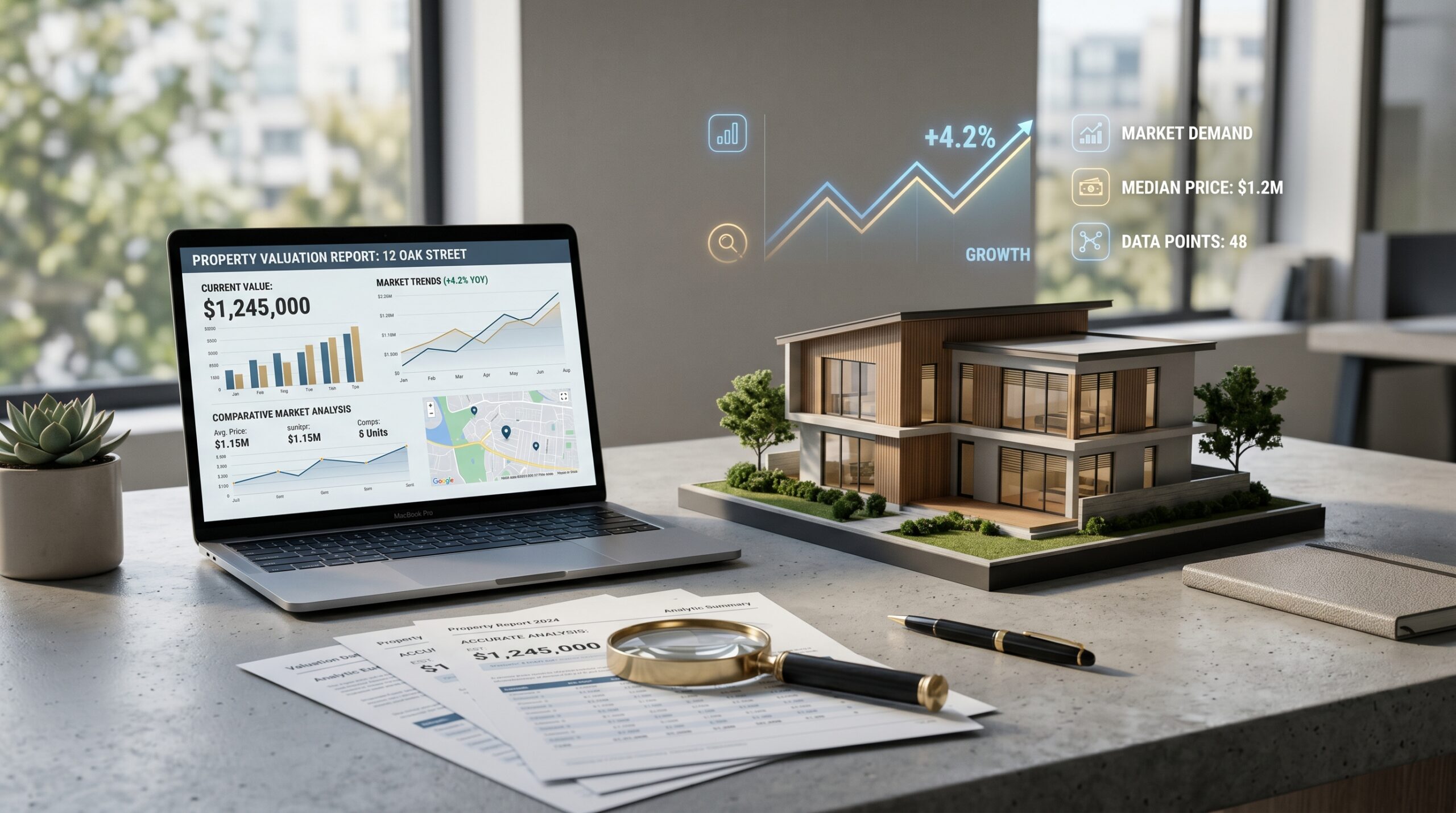
Property Valuation Before Buying is one of the most critical steps in making a smart and profitable real estate investment. Whether you are purchasing a home for personal use or acquiring property as an investment, understanding its true market value ensures that you do not overpay or underestimate potential returns. Many buyers make the mistake of relying solely on the listed price, which may not accurately reflect the property’s worth. A proper valuation considers multiple factors such as location, market trends, property condition, and future growth potential. This comprehensive guide explores everything you need to know about property valuation before buying, helping you make informed and confident decisions in the real estate market.
The process of property valuation involves both objective data and subjective analysis. While numerical data such as recent sales and market trends provide a baseline, factors like neighborhood appeal, infrastructure development, and economic conditions also play a significant role. By combining these elements, buyers can gain a clear understanding of a property’s actual value and negotiate effectively.
Property Valuation Before Buying and Why It Matters
Property Valuation Before Buying is essential because it protects buyers from financial loss and ensures a fair transaction. Without proper valuation, you risk paying more than the property is worth, which can affect your long-term financial stability. Additionally, accurate valuation helps in securing financing, as lenders often require an independent appraisal before approving a mortgage.
Understanding property value also gives you a competitive advantage in negotiations. When you have data-backed insights, you can confidently make offers and justify your pricing decisions. This not only increases your chances of securing a good deal but also establishes credibility with sellers and agents.
Property Valuation Before Buying Methods Explained
There are several methods used to determine property value, each with its own advantages.
Property Valuation Before Buying Using Comparative Market Analysis (CMA)
Comparative Market Analysis (CMA) is one of the most common methods used in property valuation. It involves comparing the property with similar properties that have recently been sold in the same area. Factors such as size, location, condition, and features are considered to determine a fair market value.
This method is widely used by real estate agents and provides a realistic estimate based on current market conditions. However, it requires accurate and up-to-date data to be effective.
Property Valuation Before Buying Using Income Approach
The income approach is primarily used for investment properties. It calculates value based on the income the property can generate, such as rental income. This method is particularly useful for investors who are focused on return on investment (ROI).
By analyzing rental yields, occupancy rates, and operating expenses, buyers can determine whether the property is a profitable investment.
Property Valuation Before Buying Using Cost Approach
The cost approach estimates the value of a property based on the cost of rebuilding it from scratch, including land value and construction costs. This method is often used for new properties or unique buildings where comparable sales data is limited.
While it provides a clear baseline, it may not fully account for market demand and location-specific factors.
Property Valuation Before Buying Key Factors to Consider
Several factors influence property value, and understanding them is crucial for accurate valuation.
Property Valuation Before Buying and Location Importance
Location is one of the most significant determinants of property value. Properties in prime areas with good infrastructure, schools, transportation, and amenities tend to have higher values development plans, such as new roads or commercial centers, can also impact property prices.
Property Valuation Before Buying and Property Condition
The condition of the property plays a major role in its valuation. Well-maintained properties with modern सुविधाएँ and minimal repairs required are generally valued higher. On the other hand, properties that require significant renovations may have lower values but offer potential for appreciation.
Property Valuation Before Buying and Market Trends
Real estate markets are influenced by supply and demand, economic conditions, and interest rates. Understanding current market trends can help you determine whether it is a buyer’s or seller’s market and adjust your strategy accordingly.
Property Valuation Before Buying Tools and Resources
Modern technology has made property valuation more accessible than ever. There are various tools and resources available to help buyers estimate property value.
Online property valuation tools provide quick estimates based on algorithms and market data. While they are convenient, they should not be relied upon as the sole source of information. Combining these tools with professional appraisals and local market knowledge ensures a more accurate valuation.
Working with experienced real estate agents and appraisers can provide valuable insights. These professionals have access to detailed market data and can offer expert opinions based on their experience.
Property Valuation Before Buying Common Mistakes to Avoid
Avoiding common mistakes is essential for accurate property valuation.
One common mistake is ignoring hidden costs such as maintenance, taxes, and legal fees. These expenses can significantly impact the overall value of the property.
Another mistake is relying solely on emotional factors. While it is natural to feel attached to a property, decisions should be based on objective analysis rather than personal preferences can also lead to inaccurate valuation. Taking the time to gather and analyze data ensures that you make informed decisions.
Property Valuation Before Buying Role of Professional Appraisers
Professional appraisers play a crucial role in property valuation. They provide unbiased and detailed assessments based on standardized methods and market data.
Hiring a certified appraiser ensures that you receive an accurate and reliable valuation. This is particularly important when applying for a mortgage, as lenders often require an official appraisal report.
Appraisers consider various factors, including property condition, location, and comparable sales, to determine value. Their expertise can help you avoid overpaying and make confident decisions.
Property Valuation Before Buying Negotiation Strategies
Accurate property valuation empowers you to negotiate effectively. When you have an understanding of the property’s true value, you can make offers that reflect its worth such as comparable sales data and market trends to support your offer. This demonstrates that your pricing is based on research rather than speculation.
Being flexible and open to compromise can also improve your chances of . Negotiation is a two-way process, and finding a balance that satisfies both parties is key.
Property Valuation Before Buying for Investment Success
For investors, property valuation is directly linked to profitability. Understanding the true value of a property helps you identify opportunities and avoid risky investments.
Analyzing potential returns, such as rental income and appreciation, ensures that the property aligns with your investment goals. Diversifying your portfolio and considering different property types can also enhance your strategy.
Long-term planning is essential. Evaluating future market trends and development plans can help you maximize returns and minimize risks.
Also read: Real Estate SEO Strategies to Boost Website Traffic
Final Thoughts
Property Valuation Before Buying is a fundamental step in making informed and successful real estate decisions. By understanding valuation methods, analyzing key factors, and leveraging professional expertise, you can accurately assess a property’s true worth and avoid costly mistakes. Whether you are a first-time buyer or an experienced investor, taking the time to conduct thorough property valuation ensures that your investment aligns with your financial goals and delivers long-term value. In a competitive real estate market, knowledge is your greatest asset, and mastering property valuation before buying will give you the confidence and advantage needed to secure the best possible deals.
