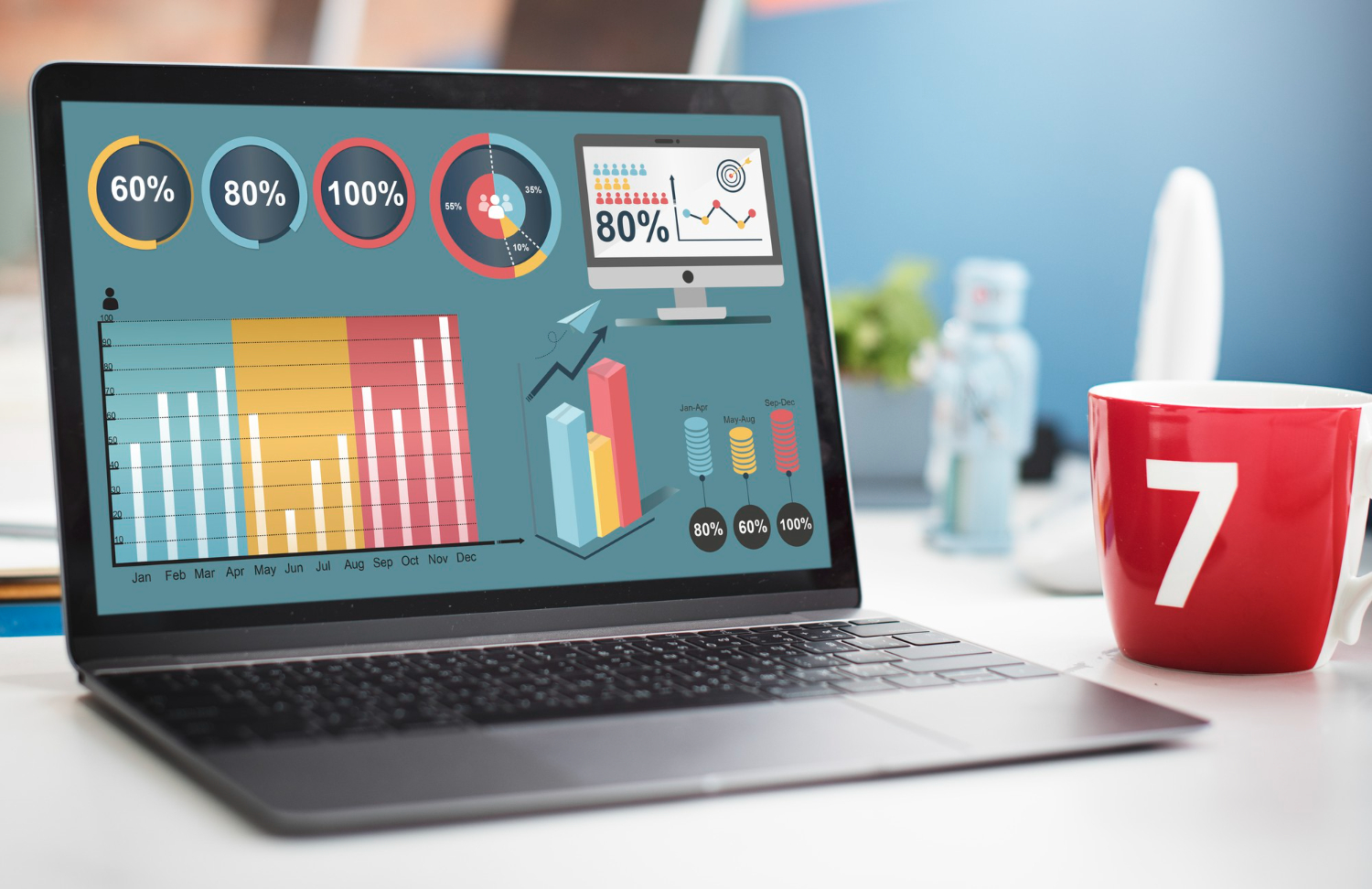
Analytics Tools for Business Growth in 2026
Analytics Tools are no longer optional for organizations that want to compete, scale, and innovate in 2026. Data has become the lifeblood of modern business, influencing decisions across marketing, finance, operations, customer experience, and product development. Companies that effectively leverage analytics are able to anticipate market trends, personalize customer journeys, optimize internal workflows, and uncover new revenue opportunities faster than competitors. Meanwhile, businesses that fail to adopt advanced analytics often rely on outdated intuition, which can lead to missed opportunities and inefficient spending.
The transformation of analytics over the past decade has been remarkable. What began as basic website tracking and spreadsheet-based reporting has evolved into a sophisticated ecosystem powered by artificial intelligence, machine learning, predictive modeling, and real-time dashboards. Today’s analytics platforms can process massive datasets in seconds, visualize patterns in intuitive dashboards, and automate decision-making workflows. This shift means businesses of all sizes—from startups to multinational enterprises—can harness the power of data to accelerate growth.
In 2026, analytics is not just about understanding the past. It is about predicting the future and shaping it. Organizations use analytics to forecast demand, detect risks before they escalate, and personalize experiences at scale. Marketing teams optimize campaigns based on real-time performance data. Finance departments use predictive models to plan budgets more accurately. Customer support teams rely on analytics to identify churn risks before customers leave. Product teams monitor user behavior to prioritize new features.
The competitive advantage of analytics is clear: companies that adopt data-driven cultures grow faster, innovate more consistently, and deliver better customer experiences. In this comprehensive guide, we will explore how analytics tools empower business growth, the categories of tools that matter most, and the strategies organizations should follow to build a modern analytics stack.
Why Analytics Tools Matter for Modern Businesses
The digital economy produces an overwhelming volume of data. Every website visit, purchase, social media interaction, support ticket, and supply chain movement generates valuable information. Without analytics tools, this data remains scattered and underutilized. With the right tools, it becomes a strategic asset.
Businesses rely on analytics to answer critical questions:
- Which marketing campaigns drive the highest ROI?
- What customer segments generate the most lifetime value?
- Where are operational bottlenecks slowing growth?
- Which products or services should be prioritized?
- What risks could impact future performance?
By transforming raw data into actionable insights, analytics tools empower leaders to make informed decisions quickly and confidently.
Types of Analytics Tools Businesses Need in 2026
Analytics tools come in several categories, each addressing different business needs. A modern analytics stack typically includes multiple solutions working together.
Analytics Tools for Web and Customer Behavior Tracking
Understanding how customers interact with digital platforms is essential for growth. Platforms like Google analytics ecosystem have transformed how businesses measure user behavior online. Web analytics tools track traffic sources, user journeys, conversions, and engagement metrics.
These tools help businesses:
- Optimize website performance and UX
- Improve conversion rates
- Identify high-value traffic sources
- Understand audience demographics and interests
Customer behavior analytics is particularly important as user journeys become more complex across devices and channels.
Analytics Tools for Business Intelligence and Visualization
Business Intelligence (BI) tools convert complex datasets into visual dashboards that decision-makers can easily interpret. Platforms from Microsoft and Salesforce lead this category by offering powerful visualization features.
BI tools allow teams to:
- Create interactive dashboards
- Monitor KPIs in real time
- Share insights across departments
- Perform self-service analytics without technical expertise
Visualization transforms data into a shared language across the organization.
Analytics Tools for Product and User Experience Insights
Product analytics platforms, such as those developed by Mixpanel and Amplitude, focus on how users interact with apps and digital products.
These tools help product teams:
- Track feature adoption
- Understand user journeys
- Identify friction points
- Improve retention and engagement
For SaaS and mobile-first businesses, product analytics is essential for growth.
Analytics Tools for Marketing and CRM Intelligence
Marketing analytics platforms help businesses measure campaign performance, customer journeys, and sales pipelines. CRM analytics solutions from HubSpot and Adobe enable advanced attribution modeling and customer segmentation.
Marketing analytics helps teams:
- Optimize ad spend
- Improve lead generation
- Personalize messaging
- Measure campaign ROI
Analytics Tools for Data Warehousing and Big Data
As datasets grow larger, companies need robust infrastructure to store and process information. Cloud data platforms from Snowflake, Amazon Web Services, and Databricks enable scalable data storage and real-time analytics.
These platforms support:
- Large-scale data processing
- Data integration across systems
- AI and machine learning models
- Enterprise-level reporting
How Analytics Tools Drive Business Growth
Analytics tools influence nearly every aspect of business performance. Below are the key areas where analytics has the greatest impact.
Analytics Tools for Smarter Decision-Making
Decision-making used to rely heavily on experience and intuition. Today, analytics provides evidence-based insights that reduce uncertainty.
Data-driven decisions help organizations:
- Avoid costly mistakes
- Identify high-impact opportunities
- Prioritize initiatives with measurable ROI
- Align teams around shared goals
Executives increasingly demand data-backed strategies before approving investments.
Analytics Tools for Customer Acquisition and Retention
Customer acquisition costs continue to rise, making retention more important than ever help businesses understand customer behavior across the entire lifecycle.
Key benefits include:
- Identifying churn risks early
- Personalizing marketing campaigns
- Improving customer onboarding
- Increasing lifetime value
Retention-focused analytics often delivers higher ROI than acquisition campaigns.
Analytics Tools for Marketing Optimization
Marketing analytics provides deep insights into campaign performance across channels.
Businesses use analytics to:
- Identify high-performing channels
- Optimize ad targeting
- Improve content strategy
- Reduce wasted spend
Real-time analytics allows marketers to adjust campaigns quickly for maximum impact.
Analytics Tools for Operational Efficiency
Operations teams rely on analytics to identify inefficiencies and streamline workflows.
Operational analytics can:
- Reduce production costs
- Improve supply chain performance
- Optimize staffing levels
- Forecast demand more accurately
Efficiency gains often translate directly into increased profitability.
Analytics Tools for Financial Forecasting
Finance teams use predictive analytics to plan budgets, manage risk, and forecast revenue.
Benefits include:
- Improved cash flow management
- Better investment planning
- More accurate financial projections
- Reduced risk exposure
Financial analytics ensures businesses remain agile in uncertain markets.
The Rise of AI-Powered Analytics Tools
Artificial intelligence is reshaping analytics in 2026. AI-powered analytics platforms automatically detect patterns, generate insights, and recommend actions.
Key AI analytics capabilities include:
- Predictive forecasting
- Anomaly detection
- Automated reporting
- Natural language queries
AI reduces the need for manual data analysis and accelerates decision-making.
Analytics Tools for Real-Time Insights
Real-time analytics has become essential in fast-moving industries like ecommerce, fintech, and SaaS.
Real-time analytics enables:
- Immediate campaign adjustments
- Fraud detection
- Live performance monitoring
- Instant customer insights
Businesses that react quickly to data gain a competitive advantage.
Building a Modern Analytics Stack
A modern analytics stack integrates multiple tools into a cohesive ecosystem.
Typical components include:
- Data collection tools
- Data storage platforms
- BI dashboards
- AI analytics engines
- Marketing and CRM analytics
Integration ensures data flows seamlessly across departments.
Challenges Businesses Face When Implementing Analytics Tools
Despite the benefits, adopting comes with challenges.
Common obstacles include:
- Data silos
- Lack of skilled analysts
- Integration complexity
- Privacy and compliance concerns
- High implementation costs
Successful organizations address these challenges through strategic planning.
Analytics Tools and Data Privacy in 2026
Data privacy regulations continue to evolve worldwide. Businesses must ensure analytics practices comply with regulations and respect customer privacy.
Key strategies include:
- Transparent data collection
- Consent management
- Secure data storage
- Ethical AI practices
Privacy-first analytics builds customer trust and long-term loyalty.
Analytics Tools for Small Businesses vs Enterprises
Small businesses and enterprises use analytics differently.
Small businesses focus on:
- Cost-effective tools
- Marketing analytics
- Website performance tracking
Enterprises prioritize:
- Large-scale data infrastructure
- Advanced AI analytics
- Cross-department integrations
Both benefit from analytics but require different approaches.
Future Trends in Analytics Tools
The future of analytics is exciting and rapidly evolving.
Key trends shaping analytics include:
- AI-driven automation
- Augmented analytics
- Edge analytics
- Conversational analytics
- Democratization of data
These trends will make analytics more accessible and powerful.
Analytics Tools Best Practices for Success
To maximize the value of analytics tools, businesses should:
- Define clear goals and KPIs
- Build a data-driven culture
- Invest in employee training
- Integrate analytics across departments
- Continuously evaluate and optimize tools
Analytics success depends on people and processes as much as technology.
Also read: Email Marketing Platforms for Small Business Growth
Final Thoughts: Analytics Tools as the Engine of Growth
Analytics tools have become the engine that drives modern business growth. In 2026, companies that embrace analytics gain deeper customer insights, make smarter decisions, and adapt quickly to changing markets. From marketing optimization to financial forecasting, analytics touches every part of the organization.
The businesses that thrive in the coming years will be those that treat data as a strategic asset and invest in the tools and talent needed to harness it. By building a robust analytics stack, fostering a data-driven culture, and embracing AI-powered insights, organizations can unlock new levels of innovation and performance.